


Is tallow actually effective and safe for eczema?
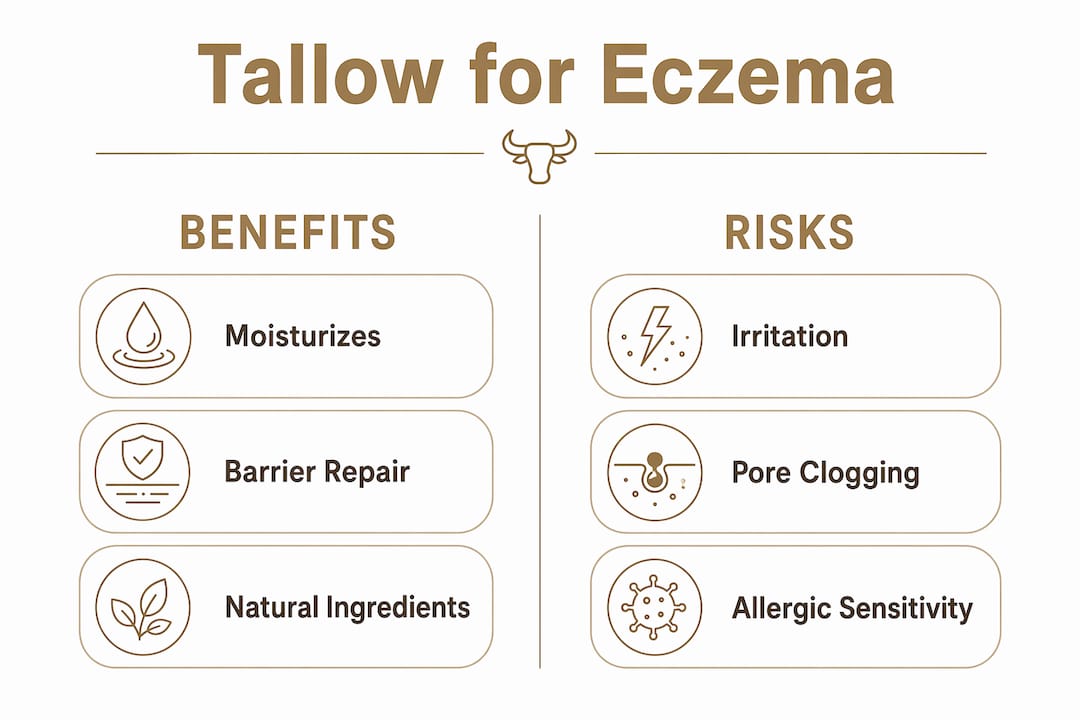
Tallow can moisturize dry, irritated skin, and some people with eczema report real relief from using it. But “can help” and “proven treatment” are two very different things. No clinical trials have tested tallow directly on eczema patients, and the fatty acid profile that makes it appealing also carries a genuine downside: oleic acid, one of tallow’s main components, can increase transepidermal water loss over time, potentially worsening the dryness it was supposed to fix.
Here is the honest picture before you decide:
Potential benefits:
- Rich in fatty acids (palmitic, stearic, oleic) that may support skin barrier repair
- Occlusive texture locks in moisture after bathing
- Free from synthetic preservatives and fragrances when sourced in pure form
- Biocompatible with human skin based on its lipid composition
Notable risks and concerns:
- Oleic acid content may worsen dryness and barrier damage in eczema-prone skin
- Animal-derived fat can trigger allergic reactions or skin sensitization
- No FDA pre-market approval required, so product quality varies widely
- Contamination and rancidity risks increase with poor processing or storage
- No strong clinical evidence that it outperforms ceramide-based creams for eczema
Dermatologists consistently recommend ceramide-based moisturizers as the evidence-backed standard for eczema care. Tallow is not in that category yet. If you want to try it, patch testing is non-negotiable, and choosing a high-quality, grass-fed, unscented product like Iron Bull Tallow significantly reduces your risk exposure.
Table of Contents
- What does the science actually say about tallow for eczema?
- Risks you should know before putting tallow on eczema-prone skin
- How to use tallow safely if you have eczema
- Iron Bull Tallow: a natural option built for sensitive, eczema-prone skin
- Iron Bull Naturals: real tallow, formulated for men who need it to work
- Key Takeaways
What does the science actually say about tallow for eczema?
The scientific case for tallow rests almost entirely on what we know about its individual fatty acids, not on studies testing tallow itself on eczema patients. That distinction matters more than most social media posts let on.
The fatty acid breakdown
Tallow is primarily composed of oleic acid, stearic acid, and palmitic acid. Stearic and palmitic acids have shown genuine promise: in an ex vivo tape-stripped skin model, these fatty acids improved stratum corneum repair by boosting lipid production and transport, which strengthens the skin barrier. That is the mechanism eczema sufferers are hoping to activate.
Oleic acid tells a different story. Studies in both human and reconstructed skin models show it can increase water loss through the skin over time, which is the opposite of what eczema-prone skin needs. A 2024 review confirmed tallow is biocompatible with human skin and rich in these fatty acids, but found the evidence too mixed to call it a reliable eczema treatment.
| Fatty acid | Role in skin | Effect on eczema-prone skin |
|---|---|---|
| Stearic acid | Supports lipid barrier repair | Potentially beneficial |
| Palmitic acid | Strengthens stratum corneum | Potentially beneficial |
| Oleic acid | Emollient, but disrupts barrier | May worsen dryness and water loss |
| Linoleic acid | Anti-inflammatory properties | Potentially beneficial in small amounts |
The clinical evidence gap
No direct clinical trials have tested tallow itself on eczema in humans. The existing evidence comes from studies on tallow’s component fatty acids, not from controlled trials using tallow as a topical treatment. Researchers have called for dedicated human studies and a standardized regulatory framework before tallow can be recommended with confidence. Until that research exists, extrapolating from fatty acid data to “tallow cures eczema” is a leap the science does not support.
Social media has filled that gap with enthusiasm. A cross-sectional analysis found that 90% of Instagram posts and 84% of YouTube videos recommending tallow for skin conditions showed financial bias, with most creators lacking healthcare credentials. That context is worth keeping in mind when you see before-and-after photos online.
Risks you should know before putting tallow on eczema-prone skin
The “natural” label on a tallow product does not make it safe for sensitive or eczema-prone skin. Dermatologists are consistent on this point, and the risks are specific enough to take seriously.
Key risks to weigh:
- Allergic reactions and skin sensitization from animal-derived proteins
- Skin and eye irritation documented in animal studies
- Pore clogging, particularly on the face and acne-prone areas
- Bacterial contamination from poorly processed or stored tallow
- Rancidity from the high proportion of unsaturated fatty acids
- Worsening dryness due to oleic acid increasing water loss
- Unpleasant odor that many people find off-putting
Tallow carries risks including skin irritation, sensitization, and the potential to clog pores, and its safety profile compared to FDA-approved treatments like ceramide creams remains unclear. Dr. Tushar Dabade and other dermatologists have pointed out that variable product quality and the absence of standard testing make consumer caution essential, not optional.
The occlusive nature of tallow is a double-edged quality. It seals moisture in, which sounds ideal for dry skin, but on acne-prone or congested areas, that same occlusiveness can clog pores and create new problems. People with both eczema and acne-prone skin should be especially careful about where they apply it.

Because tallow is used as a cosmetic ingredient, the FDA does not require pre-market approval. That means product purity, bacterial contamination levels, and spoilage risk vary from one brand to the next with no standardized oversight. Buying from a reputable source with transparent sourcing and processing standards is not just a preference; it is a safety decision.
Pro Tip: Always choose unscented, grass-fed tallow with no added fragrances or preservatives. Fragrance is one of the most common eczema triggers, and a product that adds it to tallow defeats the purpose entirely.
How to use tallow safely if you have eczema
If you decide to try tallow, the way you introduce it matters as much as the product itself. Rushing the process is where most people run into trouble.
Step-by-step safe use guide:
- Patch test first. Apply a small amount of tallow to the inside of your wrist or elbow. Wait 24–48 hours and watch for redness, itching, or swelling before applying it anywhere else. This single step catches most allergic reactions before they become a problem.
- Choose the right product. Look for 100% grass-fed, unscented tallow with no added fragrances, dyes, or synthetic preservatives. Grass-fed sourcing tends to produce a cleaner fatty acid profile and reduces contamination risk. Transparent ingredient lists are a minimum requirement.
- Apply after bathing. Tallow works best as an occlusive layer applied to slightly damp skin immediately after a shower or bath. This traps the moisture already in your skin rather than trying to add it from scratch.
- Use a small amount. A pea-sized amount goes further than you expect. Warm it between your fingers first, then press it gently into the skin rather than rubbing aggressively. Less is more with a dense occlusive like tallow.
- Start with body areas, not the face. The face, especially around the nose and forehead, is more prone to clogged pores. Start with arms, legs, or torso where eczema patches are common and pore sensitivity is lower.
- Apply once daily to start. Once daily, ideally at night, gives your skin time to respond without overloading it. If your skin tolerates it well after two weeks, you can adjust frequency based on how dry or reactive your skin feels.
- Store it properly. Keep tallow in a cool, dark place, ideally in a glass jar. Heat and light accelerate rancidity. Adding a small amount of vitamin E oil to a homemade batch also extends shelf life by slowing oxidation.
- Do not use it alone during a flare. Tallow is not a substitute for a dermatologist-prescribed eczema management plan. During active flares, continue any prescribed treatments and use tallow only as a supplemental moisturizer if your doctor approves.
- Consider blending with complementary oils. Mixing tallow with jojoba oil or sunflower seed oil can improve skin tolerance. Jojoba in particular closely mimics the skin’s natural sebum and can reduce the heaviness of pure tallow on sensitive areas. For guidance on patch testing new products and layering skincare safely, dermatology-focused resources offer practical frameworks.
- Consult your dermatologist first. This applies especially if you are managing eczema in a child, dealing with a severe or infected flare, or currently using prescription topicals. Tallow can interact with or reduce the effectiveness of other treatments if applied incorrectly.
Experts advise patch testing and selecting unscented, high-quality grass-fed tallow as the baseline for anyone with eczema who wants to try it. That advice holds whether you are using a commercial product or a homemade tallow balm.
Iron Bull Tallow: a natural option built for sensitive, eczema-prone skin
Most tallow products on the market are unregulated, inconsistently processed, and formulated with little thought for people with sensitive or reactive skin. Iron Bull Naturals took a different approach.
Iron Bull Tallow is made from 100% natural, grass-fed Alberta beef tallow, blended with hyaluronic acid and jojoba oil. The hyaluronic acid draws moisture into the skin while the tallow seals it in, and the jojoba oil improves spreadability and reduces the heavy, greasy feel that puts many people off pure tallow. The result is a formula that delivers the moisturizing benefits of tallow without the texture complaints that come with unrefined versions.
The ingredient list is short by design. Three core ingredients, all non-toxic and hypoallergenic, with no added fragrances, synthetic preservatives, or fillers. For eczema-prone skin, that kind of restraint is exactly what you want. Every additional ingredient is another potential trigger.
Customers report visible improvements in skin hydration and texture within weeks of consistent use, with reduced irritation as a recurring theme. The grass-fed sourcing from Alberta also means a cleaner, more consistent fatty acid profile than generic tallow products, which matters when you are applying it to reactive skin.
Iron Bull Naturals built this product for men who want straightforward, honest skincare without a ten-step routine or a label full of unpronounceable ingredients. For someone managing dry, eczema-prone skin, that simplicity is the point.
Iron Bull Naturals: real tallow, formulated for men who need it to work
If you have been reading about tallow for eczema and wondering whether there is a product that actually accounts for the risks, Iron Bull Naturals is the answer worth looking at.
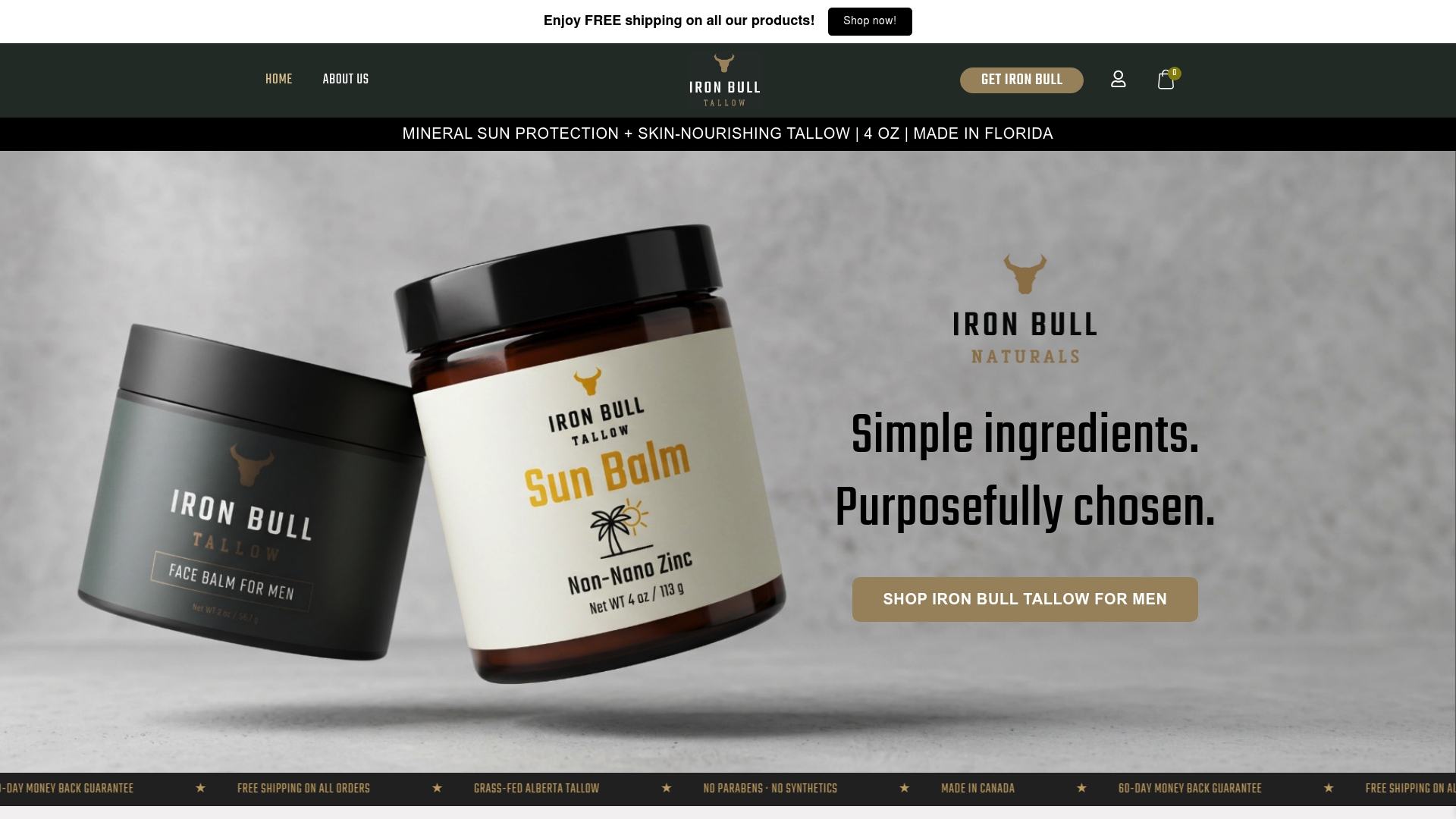
The Iron Bull Tallow face moisturizer is not a generic tallow jar pulled from a bulk supplier. It is a three-ingredient formula built around grass-fed Alberta beef tallow, hyaluronic acid, and jojoba oil, designed specifically to hydrate and repair without clogging pores or leaving a greasy residue. The unscented formula eliminates one of the most common eczema triggers from the start. No fragrance, no synthetic additives, no guesswork about what is in it.
For men dealing with dry, irritated, or eczema-prone skin who want a natural option that has been thought through rather than just trending on social media, Iron Bull Naturals offers a product that fits the criteria dermatologists actually recommend: fragrance-free, minimal ingredients, transparent sourcing, and consistent quality. Check out the full Iron Bull Naturals shop to see the complete product line, or go straight to the tallow face moisturizer and try it for yourself.
Key Takeaways
Tallow can support skin barrier moisture in eczema-prone skin, but its oleic acid content and lack of clinical trial data mean it should be used carefully alongside proven treatments, not instead of them.
| Point | Details |
|---|---|
| Limited clinical evidence | No direct human trials test tallow on eczema; evidence comes from fatty acid component studies only. |
| Fatty acid trade-off | Stearic and palmitic acids may aid barrier repair, but oleic acid can increase water loss and worsen dryness. |
| Patch test before use | Always test on a small skin area for 24–48 hours before wider application to catch allergic reactions early. |
| Quality sourcing matters | Choose grass-fed, unscented tallow with no synthetic additives; FDA does not require pre-market approval for cosmetic tallow. |
| Iron Bull Naturals | The Iron Bull Tallow moisturizer combines grass-fed tallow, hyaluronic acid, and jojoba oil in a fragrance-free, three-ingredient formula for sensitive and eczema-prone skin. |


