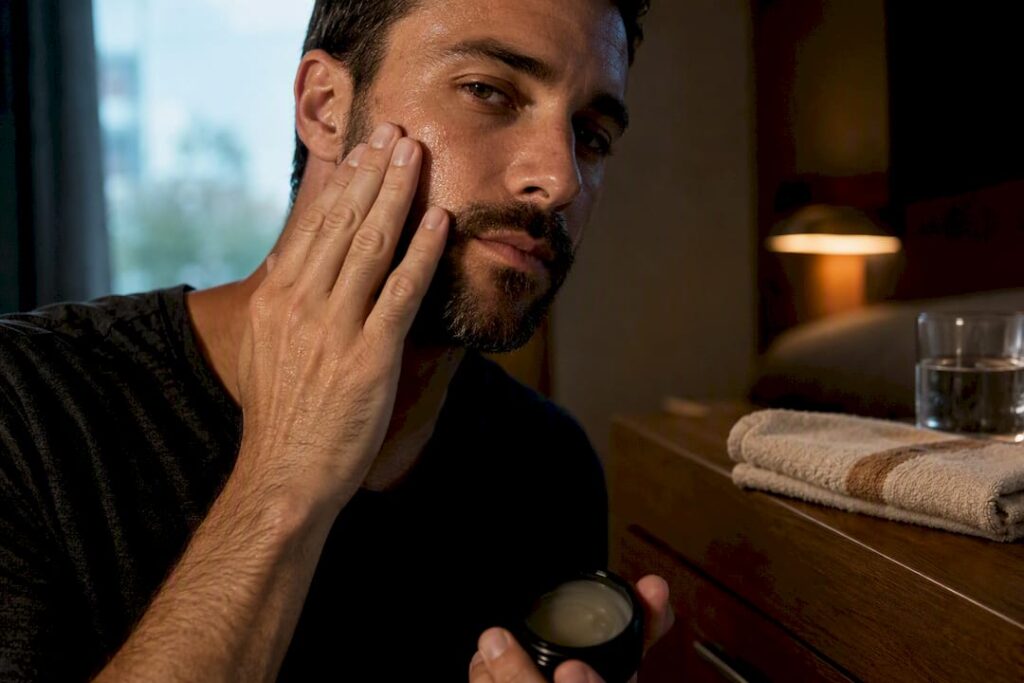
Grass-fed tallow works as an occlusive moisturizer for very dry skin, sealing in water and calming a compromised barrier, but only when it’s purified and paired with a humectant like hyaluronic acid. It’s a poor match for acne-prone or rosacea-affected skin, where heavy, pore-clogging fats tend to backfire. The best grass-fed tallow skincare products skip the raw, home-rendered route entirely and build the fat into a real formula.
TL;DR:
- Grass-fed tallow provides an occlusive barrier that effectively reduces water loss on very dry skin when paired with a humectant like hyaluronic acid.
- Properly rendered and purified grass-fed tallow contains higher levels of CLA and fat-soluble vitamins, which may enhance skin health but lack definitive clinical proof.
- It is suitable mainly for dry, flaky skin, mild eczema without active inflammation, and body areas with thicker skin, but not recommended for acne-prone or rosacea-affected skin.
- Quality control is crucial, as raw or improperly processed tallow can cause irritation or harbor impurities, making transparency and ingredient purity vital when choosing products.
- Combining grass-fed tallow with targeted actives like hyaluronic acid results in a more effective moisturizer, avoiding claims of wrinkle reversal and other unproven benefits.
Table of Contents
- What Grass-Fed Tallow Is and Why the Sourcing Matters
- Where the Evidence Actually Supports Tallow
- Who Should Be Cautious: Dermatologist Warnings on Tallow
- How to Apply Grass-Fed Tallow Without Overdoing It
- What to Check Before You Buy a Tallow Product
- Who Actually Benefits From Grass-Fed Tallow
- Why Purified, Actives-Enhanced Tallow Outperforms Raw Fat
- A Trial-First Approach to Tallow, Not a Leap of Faith
- Try Iron Bull Naturals’ Grass-Fed Tallow Face Balm
- Sources
- FAQ
What Grass-Fed Tallow Is and Why the Sourcing Matters
Tallow is rendered beef fat, usually taken from the suet around the kidneys and loin, then slowly melted down and strained until only the pure lipid remains. That rendering step is what separates a usable skincare ingredient from a raw chunk of fat sitting in your fridge. Done properly, it removes proteins, water, and connective tissue that would otherwise spoil or cause irritation.
The reason this matters for skin is chemistry, not folklore. Tallow’s fatty acid makeup, oleic, stearic, and palmitic acid in particular, closely resembles the composition of human sebum, which is part of why it’s been used as an emollient for generations, according to a clinical review on fat-based skin barrier support. It also carries fat-soluble vitamins A, D, E, and K, plus conjugated linoleic acid (CLA), all of which ride along in the fat itself.
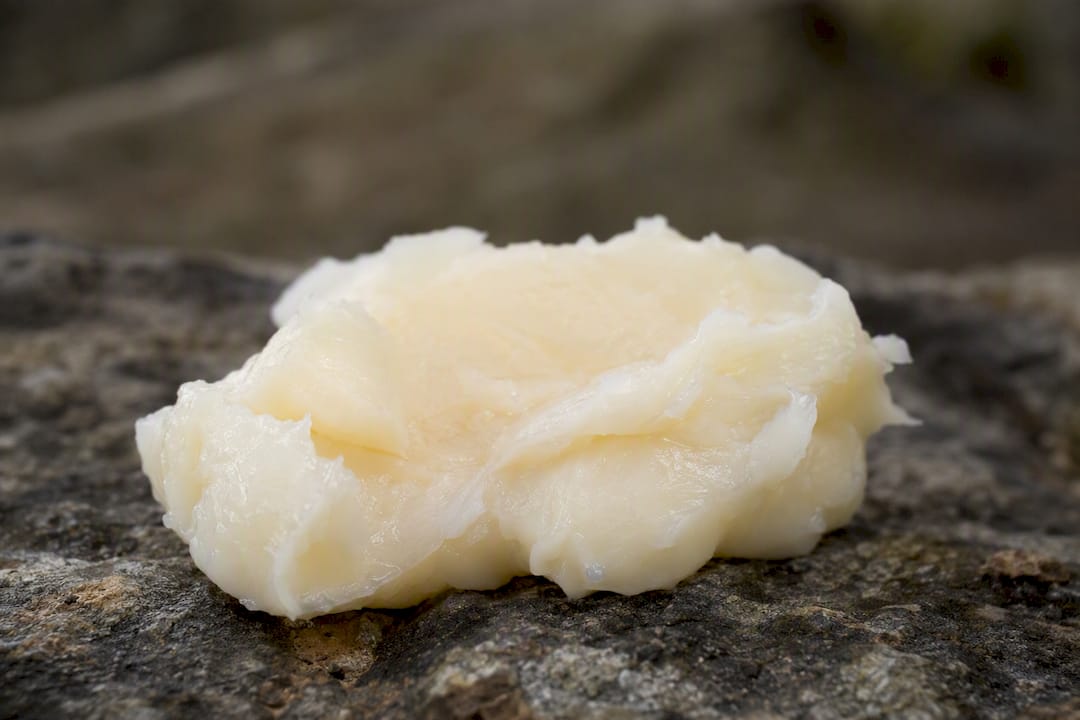
Grass-fed sourcing changes the ratio, not the basic chemistry. Cattle finished on pasture rather than grain tend to produce fat with higher CLA content and richer concentrations of certain vitamins, a distinction industry sources point to as the core reason grass-fed tallow commands a premium over conventional grain-fed versions, per an industry comparison of grass-fed and grain-fed tallow. Whether that nutrient bump translates into a measurably better result on your skin hasn’t been tested in controlled trials, but it’s the honest basis for the marketing claim, not an invented one.
A few things worth knowing before you shop:
- Tallow is not the same as lard. Lard comes from pork fat and has a different fatty acid profile.
- “Grass-finished” and “grass-fed” aren’t always interchangeable. Grass-finished means the animal ate pasture right up to slaughter, which typically yields the higher CLA content brands advertise.
- Rendering temperature affects purity. Low and slow rendering preserves more of the fat’s natural compounds than a fast, high-heat process.
- Color and smell tell you something. Properly rendered, filtered tallow is pale and nearly odorless; anything gray, gritty, or rancid smelling has gone wrong somewhere in processing.
Where the Evidence Actually Supports Tallow
Tallow’s real skin benefit comes down to one function: it’s occlusive. It forms a thin lipid layer on the skin’s surface that slows transepidermal water loss, meaning it seals in whatever moisture and actives were already there rather than actively pulling new hydration in. That’s a legitimate, well-understood mechanism, the same one behind petrolatum, shea butter, and most heavy balms.

For someone with genuinely dry skin, especially in cold or low-humidity conditions, an occlusive layer on top of a humectant can reduce flaking, tightness, and cracking. Dry patches on the body, including some cases of eczema outside of active flares, tend to respond well to this kind of barrier support. Dermatology sources describing tallow’s occlusive role are consistent on this point: it seals, it doesn’t hydrate on its own, according to dermatology commentary on tallow’s occlusive function.
The gap is in the bigger claims. Anti-aging, wrinkle reversal, “better than retinol,” these show up constantly in tallow marketing copy, and none of them have real backing. A clinical literature review on tallow’s use in skincare found no large-scale, rigorous human trials confirming these therapeutic claims. Tallow can function as a natural moisturizer, but it hasn’t been through the kind of formal safety and efficacy testing that dermatologist-recommended products routinely undergo.
Here’s the honest breakdown of what tends to hold up:
- Likely to help: chronic dry skin, rough patches on elbows and heels, mild eczema on the body between flares, and general barrier support in dry climates.
- Unproven: reversing fine lines, treating active acne, resolving hyperpigmentation, or replacing retinoids and prescription treatments.
- Not tested: long-term use across large, diverse populations. Most of what exists is anecdotal or drawn from small studies on occlusives generally.
None of this makes tallow useless. It makes it a moisturizer with a specific job, not a cure-all.
Who Should Be Cautious: Dermatologist Warnings on Tallow
The same occlusive property that makes tallow good for dry skin makes it risky for other skin types. Because it sits on the surface and traps whatever’s underneath, it can also trap heat, oil, and bacteria against skin that’s already inflamed or prone to breakouts.
Dermatologists have been fairly direct about this. Occlusive fats like tallow can worsen inflammatory conditions such as rosacea, and physicians generally advise against using it on acne-prone or oily facial skin without caution, according to dermatologist guidance on tallow’s risks published by Scripps Health. Sensitive skin isn’t one condition, either. A heavy balm that soothes eczema-prone skin on your shins can aggravate rosacea on your cheeks, because the underlying inflammatory process is completely different.
There’s a second, separate risk that has nothing to do with skin type: quality control. Raw or home-rendered tallow that hasn’t been properly purified can carry rancid fatty acids or residual impurities that irritate skin on contact, a concern flagged directly in Dermatology Times’ coverage of clinical guidance on tallow use. Fat that hasn’t been tested for microbial stability is also more likely to spoil in the jar, which is a hygiene issue as much as a skin one.
Before trying any tallow product, a short checklist keeps risk low:
- Patch test on your inner forearm for 48 hours before applying anywhere on your face.
- Never apply to broken, cut, or actively weeping skin.
- Discontinue immediately if you notice redness, itching, or new breakouts within the first week.
- Avoid it on active acne lesions or during a rosacea flare, even if it’s helped you before.
- Check the ingredient list for added fragrance or essential oils if you have reactive skin, since those, not the tallow itself, are common irritant culprits.
Pro Tip: If you have a history of clogged pores, test tallow on your jawline or neck first, not your forehead or nose, where oil glands are denser and reactions show up faster.
How to Apply Grass-Fed Tallow Without Overdoing It
Tallow is easy to over-apply because it feels substantial in the jar and thin once it’s warmed between your fingers. Practitioners consistently recommend starting small and slow, since the fat is biocompatible enough that skin tolerates gradual introduction far better than a heavy first application, per the clinical guidance on humectant pairing referenced earlier.
Here’s a simple sequence to follow for the first two to four weeks:
- Cleanse and leave skin slightly damp. Don’t towel-dry completely. Damp skin helps any product that follows absorb more evenly.
- Apply a water-based humectant first. A few drops of hyaluronic acid serum go on before the tallow, not after. This is the step most people skip, and skipping it is why some report tallow feeling greasy without doing much.
- Warm a pea-sized amount between your fingers. For the face, that’s genuinely all you need. Press it into skin rather than rubbing it in circles.
- Start once daily, ideally at night. If skin tolerates it well after a week, you can move to twice daily or add a morning application under sunscreen.
- Adjust for the body part and the season. Elbows, knees, and heels can handle a thicker, dime-sized layer. Cold, dry winters often call for more frequent use; humid summer months usually call for less.
The humectant-then-occlusive order matters more than people expect. Applying tallow directly to dry skin without a humectant underneath just seals in whatever moisture was already there, which isn’t much. Layering it over hyaluronic acid gives the occlusive something worth trapping. Iron Bull Naturals built its tallow face balm around exactly this logic, formulating hyaluronic acid directly into the balm so you’re not managing two separate products and two separate steps.
Pro Tip: If your skin ever feels tight or looks shiny rather than smooth after applying, you’re using too much. Scrape some off with a tissue rather than adding more product to fix it.
What to Check Before You Buy a Tallow Product
Not all tallow skincare is made the same way, and the difference between a good jar and a bad one usually comes down to what happened before it ever reached a container. A useful checklist before buying:
- Look for explicit “grass-fed” or “grass-finished” language, ideally with some mention of where the beef comes from. Vague “sourced responsibly” language without specifics is a soft red flag.
- Confirm the product went through purification or refined rendering rather than a single-step, at-home style melt. Brands that mention microbial or stability testing are signaling they’ve actually checked their product for safety.
- Check for a stated shelf life and appropriate packaging. Tallow is a fat, and fats oxidize; a jar with no expiration guidance and no light-blocking packaging is worth skipping.
- Favor formulas that add real actives, hyaluronic acid and jojoba oil are common, useful additions, over ones relying on tallow alone to do everything.
- Watch for undisclosed preservatives or synthetic fragrance buried in a long ingredient list. A short, transparent ingredient list is generally a better sign than a long one padded with filler.
| What to check | Good sign | Red flag |
|---|---|---|
| Sourcing claim | Named farm or region, grass-finished specified | Vague “natural” or “responsibly sourced” with no detail |
| Rendering process | Mentions purification or filtering steps | No process information at all |
| Shelf life | Clearly stated expiration or best-by date | No date, no mention of stability |
| Added ingredients | Hyaluronic acid, jojoba oil, named essential oils | Long list of unnamed “fragrance” or preservatives |
| Ingredient count | Short list, each ingredient recognizable | Ten or more ingredients with no clear purpose |
Brands built around a short ingredient list tend to be easier to evaluate for this exact reason. There’s less guessing about what’s actually touching your skin.
Who Actually Benefits From Grass-Fed Tallow
Tallow isn’t the right moisturizer for everyone, and being honest about that upfront saves you a wasted purchase and a possible breakout. It tends to work best for a fairly specific set of people and situations.
You’re a good candidate if you deal with persistently dry, flaky, or tight skin that regular lotions don’t fix, if you have mild eczema patches on your body (not your face) that flare in cold weather, or if you’re the kind of minimalist who’d rather use one simple product with a short ingredient list than layer five separate serums. Men who find most moisturizers either too light to matter or too greasy to wear during the day often land in this category too.
You’re probably better off with a clinically tested, non-comedogenic moisturizer if you have active acne, oily T-zone skin, rosacea, or if you’ve recently had a procedure like a chemical peel or laser treatment where your skin barrier is temporarily compromised and needs gentler, tested formulations rather than a heavy occlusive.
Even among people who benefit from tallow generally, application site matters:
- Hands and cuticles tolerate thick, frequent tallow application well since skin here is thicker and less prone to breakouts.
- Feet and heels are ideal for a heavier nightly layer, especially under socks.
- Face works best with a thin layer over hyaluronic acid, limited to dry-skin sufferers without active breakouts.
- Body eczema patches away from the face often respond well between flares, though active flares should be handled with a dermatologist’s guidance first.
For a deeper look at how tallow performs specifically on facial skin, including where the evidence is strongest, see this breakdown of tallow benefits for the face.
Why Purified, Actives-Enhanced Tallow Outperforms Raw Fat
The single biggest formulation upgrade over raw tallow is pairing it with a humectant underneath the occlusive layer. Hyaluronic acid draws water into the upper skin layers; tallow then locks that hydration in rather than letting it evaporate. Used alone, tallow just seals whatever moisture was already there, which on genuinely dry skin isn’t much to work with.
Iron Bull Naturals built its face balm around that exact pairing rather than treating tallow as a stand-alone fix, as seen in this tallow + manuka honey cream infused with retinol and collagen formulation that combines tallow with targeted actives. The formula uses grass-fed Alberta tallow, hyaluronic acid, and jojoba oil, three ingredients, nothing else, which keeps the product easy to evaluate against the label-reading checklist above: sourcing is disclosed, the fat is rendered and purified rather than raw, and the added actives address the “occlusive alone isn’t enough” gap that shows up in the clinical literature. Customers using the balm consistently report improved texture and hydration within a few weeks of regular use.
Three ingredients, no filler fragrance, no undisclosed preservatives. If a formula can’t explain what each ingredient is doing, it probably doesn’t need to be there.
A simple way to work it into a routine:
- Cleanse in the evening, leave skin slightly damp.
- Apply the balm directly, since the hyaluronic acid is already built into the formula rather than requiring a separate serum step.
- Use nightly for two to four weeks before judging results, since barrier repair takes time to show visibly.
That built-in pairing is also why men who want a low-effort routine tend to stick with it. There’s no separate serum to remember, no guessing about layering order.
A Trial-First Approach to Tallow, Not a Leap of Faith
If you’re going to try grass-fed tallow, treat it like an experiment, not a leap of faith. Pick one area, a dry patch on your body or your entire face if you don’t have acne concerns, and commit to 30 to 90 days of consistent use before drawing conclusions. Track texture, redness, and breakouts weekly, not daily; skin fluctuates too much day to day to be a reliable signal.
Sourcing isn’t a marketing footnote. Grass-fed, transparently rendered tallow costs more to produce, and that cost reflects real differences in how the animal was raised and how the fat was processed, not just a premium label slapped on the same commodity fat. That’s worth paying for if you’re using this on your face daily.
One caution worth repeating: what worked for someone on a forum thread isn’t evidence of what will work for you. If you have a chronic skin condition, rosacea, eczema, dermatitis, talk to a dermatologist before adding any new occlusive to your routine, tallow included.
— Blaine
Try Iron Bull Naturals’ Grass-Fed Tallow Face Balm
Most raw tallow you’ll find online skips the two things that actually matter: purification and a humectant partner. Iron Bull Naturals’ face balm handles both, built from grass-fed Alberta tallow that’s been properly rendered, then formulated with hyaluronic acid and jojoba oil rather than left as a single-ingredient fat.

It checks every box from the buying checklist above. Sourcing is disclosed and grass-fed, the tallow goes through purified rendering rather than a raw home-render, and hyaluronic acid is built into the formula instead of requiring a separate serum step. That makes it a fit for men who want one product, applied once, without guessing whether it’s doing anything beyond sitting on top of dry skin.
If you’re building a routine around it, the simple three-step skincare routine for men shows exactly where the balm fits alongside cleansing and sun protection. Ready to try it on your own skin? Check out the tallow face moisturizer and give it a full four weeks before judging the results.
Sources
A few sources shaped the safety and evidence framing in this guide, worth reading directly if you want the full clinical context:
FAQ
Does tallow skincare really work?
For very dry, flaky skin, yes, tallow works as an occlusive that seals in moisture and supports barrier repair. It’s not been shown to reverse wrinkles or replace treatments like retinoids, since large-scale human trials on those specific claims don’t exist yet.
Is beef tallow like Botox?
No. Tallow is a moisturizer that sits on the skin’s surface and slows water loss; Botox is an injected neuromodulator that temporarily relaxes muscles to reduce the appearance of wrinkles. There’s no clinical mechanism connecting the two.
What are the disadvantages of tallow for skin?
The main downsides are its pore-clogging potential on acne-prone or oily skin, the risk of irritation from poorly rendered or contaminated tallow, and a lack of large-scale clinical research confirming benefits beyond basic occlusion. Dermatologists also caution it can worsen rosacea and similar inflammatory conditions.
What tallow does Khloé Kardashian use?
Specific celebrity product routines aren’t publicly verified, and no reliable source confirms a particular brand. Focus instead on sourcing transparency, purified rendering, and added actives like hyaluronic acid when choosing a tallow product, regardless of who’s said to use what.
Is grass-fed tallow better than grain-fed for skin?
Grass-fed tallow generally contains higher CLA and certain vitamin concentrations than grain-fed tallow, which is the basis for its premium marketing. No controlled skin studies directly compare outcomes between the two, so the advantage is nutritional rather than proven clinically.