Tallow is not recommended as an acne treatment, and for many people prone to breakouts, it can make things worse. The main reason: dermatologists consider beef tallow moderately to highly comedogenic, meaning it can sit in the pore and contribute to the exact congestion that causes acne in the first place. No clinical trial has ever tested a tallow-based product against acne, so the popularity of tallow for acne right now rests almost entirely on social media testimonials, not dermatology research.
That doesn’t mean tallow is worthless for skin. It just means the reader who came here hoping for a green light on acne needs the honest version first.
- Skip it if: you have active acne, oily skin, or you’re using retinoids or benzoyl peroxide.
- Maybe consider it if: your skin is chronically dry with no history of breakouts, and you’re applying it to non-acne-prone areas.
- Where to go next: dermatologist-recommended alternatives further down, or a conversation with your own dermatologist before you try anything new.
TL;DR:
- Tallow has a moderate to high likelihood of clogging pores, with dermatologists rating it around 2 to 3 on comedogenic scales, posing a risk for acne-prone skin.
- There are no randomized controlled trials supporting tallow as an effective acne treatment, and its fatty-acid profile may worsen inflammation and congestion.
- Using tallow alongside active acne treatments can increase irritation and reduce their effectiveness, especially when layered over or under retinoids or benzoyl peroxide.
- Proven acne remedies like adapalene, salicylic acid, and benzoyl peroxide offer much stronger, evidence-based results compared to anecdotal claims about tallow.
- Iron Bull Tallow is designed as a moisturizer for dry, non-acne skin and should be patch tested carefully by those with active breakouts before use.
Table of Contents
- What Beef Tallow Is and Why People Claim It Helps Skin
- Why Dermatologists Warn Against Tallow for Acne-Prone Skin
- The Evidence Gap: What Studies (Don’t) Show About Tallow and Acne
- How to Try Tallow Safely, If You’re Going To
- Better Options for Acne-Prone and Oily Skin
- What the Tallow Trend Gets Wrong
- Where Iron Bull Tallow Actually Fits
- Key Takeaways
- Sources
- FAQ
What Beef Tallow Is and Why People Claim It Helps Skin
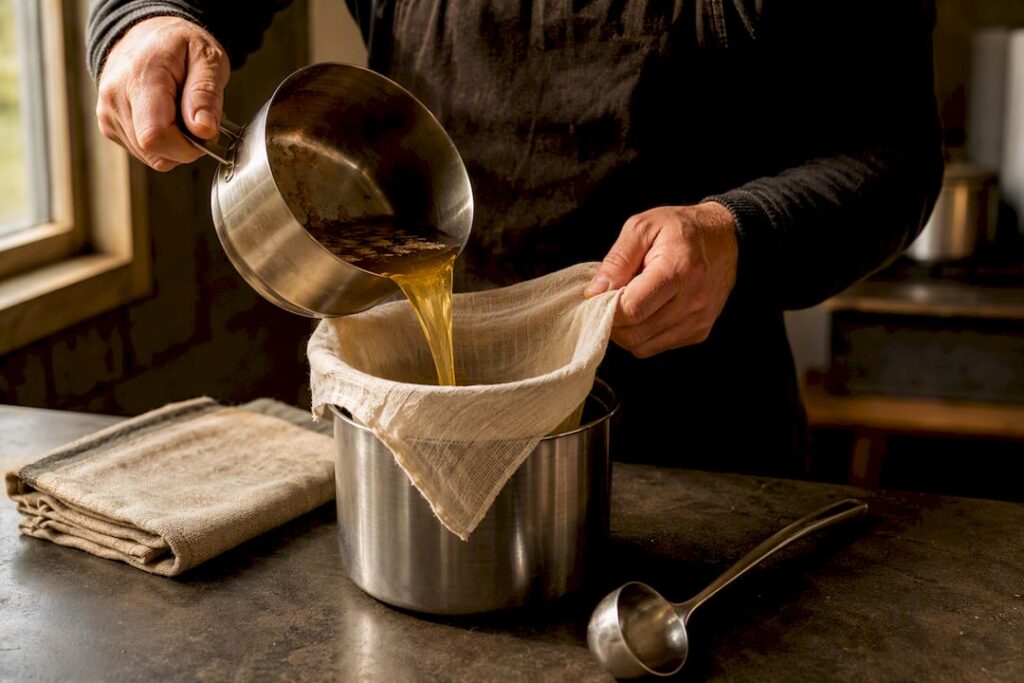
Beef tallow is rendered fat from cattle, typically from the fatty deposits around the kidneys and loin. Sold as a raw block, a whipped balm, or blended into a cream, it shows up in skincare mostly because it’s cheap to produce and easy to market as “ancestral” or “natural.”
Its fatty-acid makeup is dominated by oleic acid, palmitic acid, and stearic acid, with a comparatively small share of linoleic acid. It also carries fat-soluble vitamins A, D, E, and K, which is the detail most tallow marketing leans on.
- Oleic and palmitic acids make up the bulk of the fat.
- Linoleic acid, the fatty acid most associated with clearer pores, is present only in a minor amount.
- Vitamins A, D, E, and K are naturally occurring but fat-soluble, meaning absorption through skin is limited.
The similarity argument, and why it falls short: tallow’s fatty-acid ratio resembles human sebum closely enough that advocates call it “bio-identical” to skin oil. But resembling sebum chemically doesn’t mean it behaves therapeutically on skin, and the Cleveland Clinic notes there’s no evidence tallow’s vitamins are absorbed in concentrations high enough to do anything for acne.
Why Dermatologists Warn Against Tallow for Acne-Prone Skin
Ask a board-certified dermatologist about tallow and acne, and you’ll typically get the same answer: caution. Dermatologists interviewed by Allure rate tallow around a 2 to 3 on comedogenic scales, placing it in a range that can clog pores in people already prone to breakouts.
“Tallow is likely comedogenic, and there’s no clinical evidence it treats acne. For acne-prone patients, that combination is a problem, not a selling point.” This is the consensus reflected across dermatology reporting on the topic.
Sourcing adds another layer of risk. Tallow’s fat composition varies by the animal’s diet, breed, and age, so two jars labeled identically can behave differently on skin. DIY versions rendered at home from food-grade fat carry additional concerns around rancidity, bacterial contamination, and allergic contact dermatitis, especially without proper preservatives.
- Comedogenic rating of roughly 2 to 3 out of 5 on standard scales.
- Batch-to-batch variability from unstandardized sourcing.
- Contamination and rancidity risk in DIY, unpreserved formulations.
- Possible allergic contact dermatitis in sensitive users.
Layering tallow on top of active acne treatment compounds the problem. Tretinoin and benzoyl peroxide work by keeping pores clear and reducing inflammation; a heavy occlusive fat applied over or under them can trap the active ingredient, increase irritation, and blunt the treatment’s effect. Dermatologists generally advise against combining the two.
The Evidence Gap: What Studies (Don’t) Show About Tallow and Acne
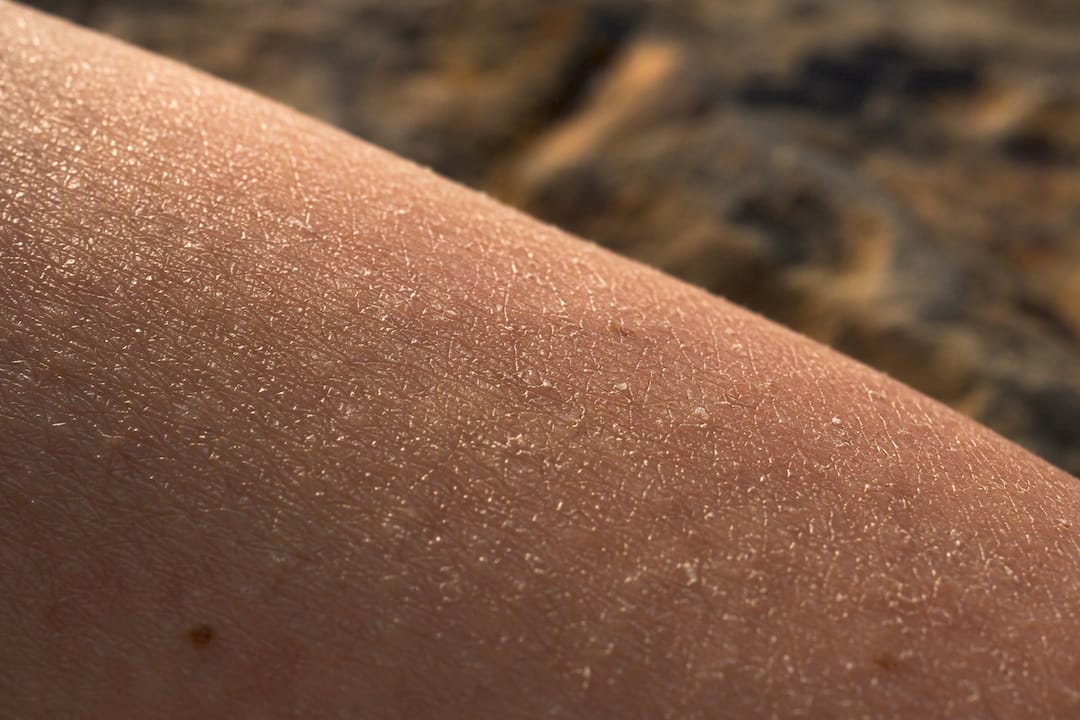
Here’s the uncomfortable fact for anyone hunting for proof: there are no randomized controlled trials testing whole tallow products for acne outcomes. Every claim you’ve seen about tallow clearing skin comes from anecdote, not controlled research, and AcneAdvocate’s review of the evidence found the claims widespread but the science nonexistent.
The mechanistic case doesn’t help tallow’s argument either. Oleic acid can disorder the outer skin barrier, and palmitic acid may increase inflammatory activity in sebocytes, the oil-producing cells tied directly to acne. Linoleic acid, by contrast, is the fatty acid more consistently linked to smaller comedones in the limited research that does exist on fatty acids and skin, and it’s the one tallow contains the least of.
- Zero RCTs specifically testing tallow for acne.
- Oleic acid: linked to barrier disruption in mechanistic studies.
- Palmitic acid: may upregulate inflammatory cytokines in sebocytes.
- Linoleic acid, the fatty acid tied to fewer comedones, makes up only a small fraction of tallow’s profile.
This explains the pattern behind so many tallow “before and after” posts. The initial occlusion creates a temporary glow and a plumped, hydrated look. Weeks later, some users report deeper, cystic breakouts as pores slowly congest, a delayed reaction easy to mistake for a “purge” but far more consistent with clogged follicles than skin detoxing itself.
How to Try Tallow Safely, If You’re Going To
If your skin is dry, flaky, and has no real history of breakouts, tallow isn’t automatically off the table. It just requires a cautious approach and a willingness to stop the moment things go sideways.
- Patch test first. Apply a small amount to your inner forearm or jawline for 48 to 72 hours and watch for redness, itching, or bumps.
- Stage the trial. If the patch test is clean, apply a thin layer to one small area of your face, not your whole face, for one to two weeks.
- Watch for delayed comedones. Clogged pores from heavy lipids can take two to four weeks to show up, so don’t declare victory after day three.
- Use it sparingly. A pea-sized amount at night on dry patches is enough; more product doesn’t mean more benefit.
- Stop immediately if you notice new bumps, blackheads, or increased oiliness anywhere near the application site.
Sourcing matters as much as technique. Choose a cosmetic-grade, properly preserved tallow formulation rather than food-grade tallow rendered at home, which lacks stabilizers and spoils faster. Store any tallow product in a cool, dark spot, since heat and light speed up rancidity, and rancid fat is far more likely to irritate skin than fresh product.
Pro Tip: Keep a simple log on your phone with photos every three days for the first month. Delayed comedones are easy to miss in the mirror but obvious in side-by-side photos.
Better Options for Acne-Prone and Oily Skin
If your goal is actually clearer skin, dermatologists point toward a short list of ingredients with real research behind them rather than social-media buzz.
- Adapalene, a topical retinoid available over the counter, normalizes skin cell turnover and prevents new comedones from forming.
- Salicylic acid, a beta hydroxy acid, penetrates oily pores to dissolve the buildup that leads to blackheads and whiteheads.
- Benzoyl peroxide kills acne-causing bacteria and reduces inflammation, making it a strong option for active breakouts.
- Non-comedogenic moisturizers built with ceramides, niacinamide, and hyaluronic acid hydrate and support the skin barrier without adding pore-clogging fats, a combination the Cleveland Clinic recommends over occlusive fats for acne-prone patients. Our own guide to oily skin moisturizers built for men covers how to pick one that won’t backfire.
If you’re already using tallow and considering a switch, or you want to combine it with prescription treatment, bring it up directly with your dermatologist. They can tell you whether your specific skin type and treatment plan make it a reasonable addition or a real risk. For a broader look at where tallow does show promise, our piece on tallow benefits for the face breaks down where the ingredient earns its reputation and where it doesn’t. It’s also worth understanding which ingredients tend to aggravate sensitive skin generally, a topic LaTerraTales covers well.
What the Tallow Trend Gets Wrong
Watching tallow skincare take over social media has been strange, because the enthusiasm rarely matches the evidence. People post glowing skin three days after switching, credit the tallow, and never mention that they also dropped a harsh cleanser or started drinking more water that same week. Anecdotal results almost always track a change in routine, not a single miracle ingredient.
I don’t think tallow is a scam, and I don’t think everyone using it is wrong to like how it feels. But feel and function are different questions, and acne is a function question. If you’re breakout-prone, the fatty-acid math and the dermatology consensus point the same direction: skip it, or at least don’t expect it to treat anything.
Iron Bull Naturals makes a tallow-based face balm, and it’s built for a specific guy: one dealing with dry skin, fine lines, or irritation, not active acne. That’s not a hedge, it’s the actual target market, and pretending otherwise would be dishonest to exactly the readers this article is for.
— Blaine
Where Iron Bull Tallow Actually Fits
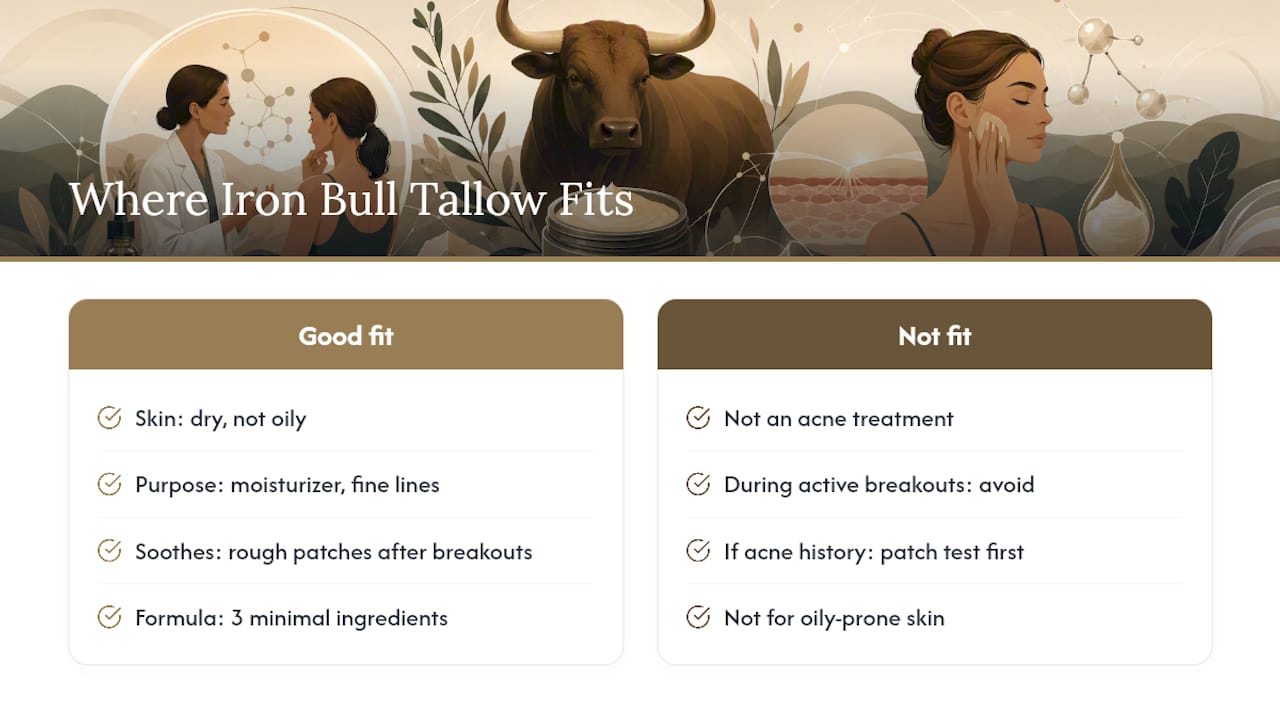
If your skin runs dry rather than oily and acne isn’t part of your history, a well-made tallow balm can be a legitimately good moisturizer, and that’s the lane Iron Bull Tallow was built for.

The formula uses three ingredients: grass-fed Alberta tallow, hyaluronic acid, and jojoba oil, chosen deliberately to keep the product free of the fillers and synthetic additives that tend to irritate sensitive skin. That minimalism is the point. Fewer ingredients mean fewer chances for something to react badly on your face, and grass-fed sourcing avoids the batch inconsistency that comes from unregulated tallow suppliers.
To be clear about what it’s not: Iron Bull Tallow isn’t marketed or formulated as an acne treatment. It’s built for dryness, fine lines, and general irritation, and it’s a reasonable option for soothing rough patches after a breakout has cleared, not during one. If you have any acne history, patch test on your jawline first and watch for a week before working it into your routine. Check out the Iron Bull Tallow moisturizer to see the full ingredient breakdown, or start with our three-step skincare routine for men if you’re rebuilding your routine from scratch.
Key Takeaways
Tallow lacks clinical evidence as an acne treatment and carries a real comedogenic risk, making dermatologist-recommended actives and non-comedogenic moisturizers the safer choice for breakout-prone skin.
| Point | Details |
|---|---|
| No clinical backing | Zero randomized controlled trials have tested tallow specifically for acne outcomes. |
| Comedogenic risk is real | Dermatologists rate tallow around 2 to 3 on comedogenic scales, a risk for clog-prone pores. |
| Fatty-acid profile works against acne | Tallow is high in oleic and palmitic acid and low in linoleic acid, the opposite of what acne-prone skin needs. |
| Proven alternatives exist | Adapalene, salicylic acid, benzoyl peroxide, and ceramide-based moisturizers all carry real evidence for acne. |
| Iron Bull Tallow fits dry, non-acne skin | Iron Bull Naturals positions its tallow balm for dryness and fine lines, not as an acne treatment. |
Sources
- Beef Tallow for Skin: Is It Useful? | Cleveland Clinic
- Beef Tallow Skin Care Is a Hard Pass For Dermatologists | Allure
- Fact Check: Is Tallow-Based Skincare Good for Acne? Anecdotal Claims Are Everywhere but Clinical Evidence Is Nonexistent – AcneAdvocate
This article is general information, not a substitute for advice from a qualified doctor. Consult a qualified healthcare professional about your own circumstances before acting on anything here.
FAQ
Is Tallow Any Good for Acne?
No. Dermatologists consider tallow moderately to highly comedogenic, and no clinical trials support it as an acne treatment, so it’s more likely to worsen breakouts than clear them.
Why Don’t Dermatologists Like Beef Tallow for Skin?
Its heavy fatty-acid profile, dominated by oleic and palmitic acid, can clog pores and disrupt the skin barrier, and unregulated sourcing raises contamination and rancidity concerns.
How Do Koreans Clear Acne?
Korean skincare routines built around acne typically rely on gentle, layered hydration alongside proven actives like salicylic acid or prescription treatment, not heavy occlusive animal fats.
Is Tallow Better Than Retinol for Acne?
No. Retinoids like adapalene have decades of clinical research behind them for treating acne, while tallow has none, making it a poor substitute for retinol-based treatment.
Can Iron Bull Tallow Be Used If I Have Acne-Prone Skin?
Iron Bull Tallow is formulated for dryness and fine lines, not active acne, so anyone with a history of breakouts should patch test carefully or choose a non-comedogenic option instead.