Properly rendered, high-quality tallow usually has a mild, neutral scent, closer to melted butter than a beef roast. If yours smells strongly beefy or turns sharp and sour, that points to poor rendering, contaminated fat, or rancidity—not something inherent to tallow itself. A scoping review published on PMC, dermatologist commentary in National Geographic, and transparent producers like Iron Bull Naturals all point in the same direction: fix the source or the process, and the smell mostly disappears.
TL;DR:
- Properly rendered high-quality tallow should have a mild, faint scent; a strong beefy or sour smell indicates poor processing or fat contamination.
- The source of the fat, rendering method, and storage conditions significantly influence odor; grass-fed tallow typically smells cleaner than grain-fed variants.
- Fixing odor issues during rendering through low heat, frequent filtration, and careful handling helps produce a neutral-scented final product, while masking odors afterward is more limited and risky.
- Rancidity from oxidation causes sour or tangy smells and cannot be masked; discarded if the fat smells off or oxidized.
- Skin reactions to tallow vary depending on individual sensitivities and conditions like rosacea or acne-prone skin, and patch testing before regular use is strongly recommended.
Table of Contents
- What Does Tallow Smell Like in Skincare?
- Why Does Tallow Sometimes Smell Beefy or Rancid?
- How Do You Remove Odor During Rendering?
- Can You Deodorize or Mask Scent in a Finished Balm?
- Does the Smell Stay on Your Skin, and Is Tallow Safe to Use?
- How Iron Bull Naturals Handles Sourcing and Odor
- What I’d Actually Do About the Smell
- Try a Grass-Fed Tallow Balm Without the Guesswork
- Sources
- FAQ
What Does Tallow Smell Like in Skincare?
Good tallow smells faint, waxy, and slightly fatty, similar to unscented candle wax or clarified butter. Some people pick up a whisper of grass or hay if the animal was pasture raised, which fades quickly once the fat cools and sets.
Beefy or “off” tallow reads differently. It smells like the inside of a butcher’s freezer, or worse, like something starting to spoil. That’s your cue to stop and investigate rather than push through it.
The product form changes how strong any scent seems. Pure, unscented tallow in its raw state tends to smell more noticeable than a whipped balm blended with jojoba oil or hyaluronic acid, since those ingredients dilute the fat and soften what your nose picks up. A quick way to check quality:
- Hot-melt test: warm a small amount and smell it right away. Neutral or faintly buttery is normal.
- Cooled sample test: let it solidify and sniff again. Scent should fade, not intensify.
- Skin test: rub a dime-sized amount into your wrist. A beefy note that lingers after 10 minutes suggests the batch needs work.
National Geographic’s reporting backs this up: dermatologists interviewed for the piece consistently describe well-made tallow as mild, and treat any strong beef odor as a red flag rather than a normal trait of the ingredient.
Why Does Tallow Sometimes Smell Beefy or Rancid?
Four things drive a bad smell, and most trace back to what happened before the fat ever reached your skin.
- Source quality: fat cut close to muscle tissue, or fat that includes stray bits of meat or connective tissue, carries stronger animal odor into the rendered product.
- Animal diet: grass-fed tallow generally renders cleaner than grain-fed fat, which tends to hold more residual odor from a corn or soy-heavy diet.
- Rendering shortcuts: high heat and a short cook time trap proteins and impurities in the fat instead of separating them out, leaving a heavier, meatier smell behind.
- Oxidation and microbial growth: unsaturated fats in poorly stored suet break down over time, producing the sour, slightly rancid smell people mistake for “just how tallow smells.”
A scoping review of tallow’s biocompatibility with skin screened 147 studies and included 19 that met its criteria, finding the fat is largely made up of oleic, palmitic, and stearic acids. That fatty acid profile is stable when handled correctly, but the same unsaturated components that give tallow its moisturizing feel are the ones vulnerable to oxidation if the fat sits too long at room temperature or gets exposed to light and air.
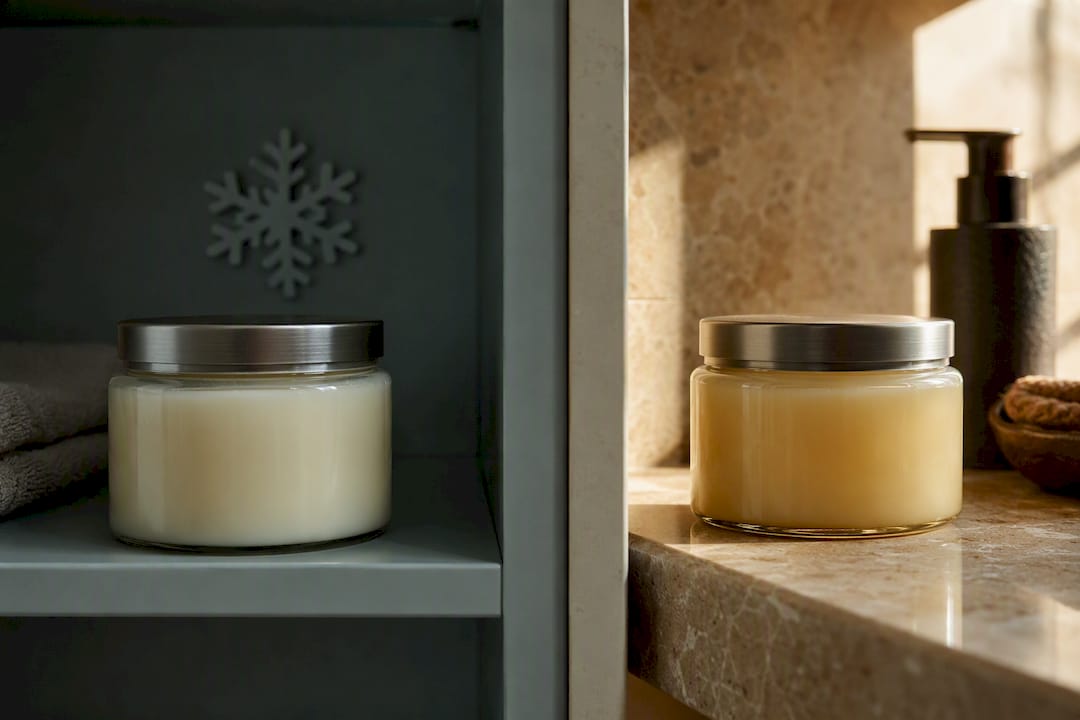
Storage matters as much as rendering. Tallow kept in a sealed, cool container can last many months; left out in a warm bathroom, it can turn within weeks. If a jar smells fine on day one and sour by day thirty, oxidation, not the source animal, is the problem.
How Do You Remove Odor During Rendering?
Deodorizing starts before the fat ever hits a balm jar. Wet rendering, low heat, and repeated filtration are the three levers that matter most.
- Cube the fat small and rinse it. Smaller pieces render faster and more evenly, and a cold-water rinse removes surface blood and debris that would otherwise cook into the fat.
- Render with water (wet rendering). Simmering fat in water instead of dry heat keeps the temperature low and lets impurities sink or float away from the fat layer as it separates.
- Keep heat low and extend the cook. A slow render at low temperature for several hours, rather than a fast high-heat melt, prevents proteins from scorching and locking odor into the fat.
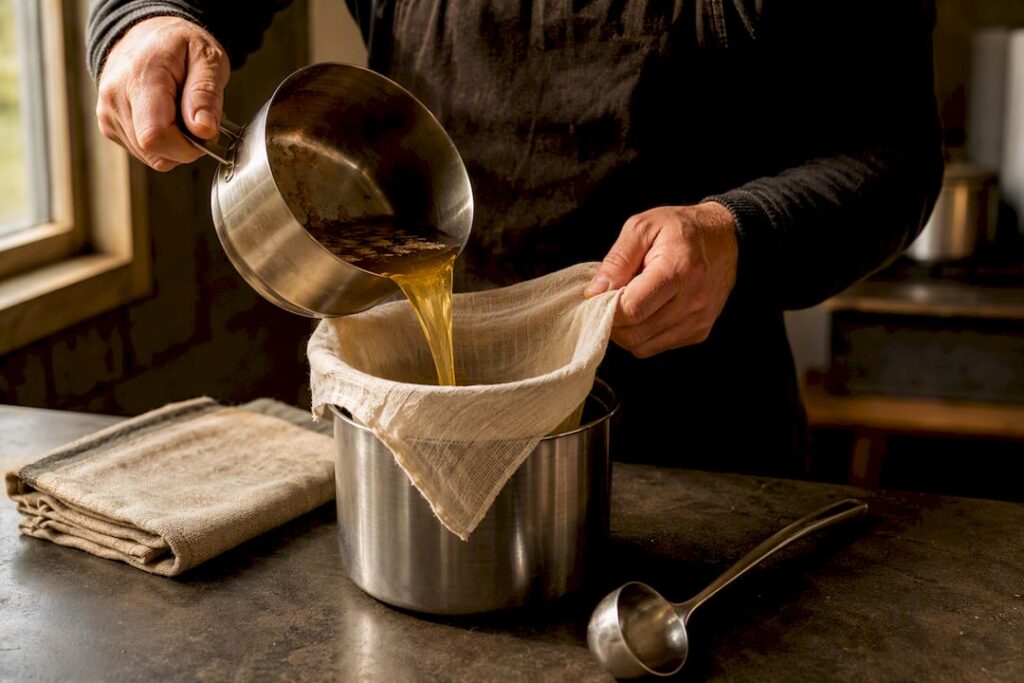
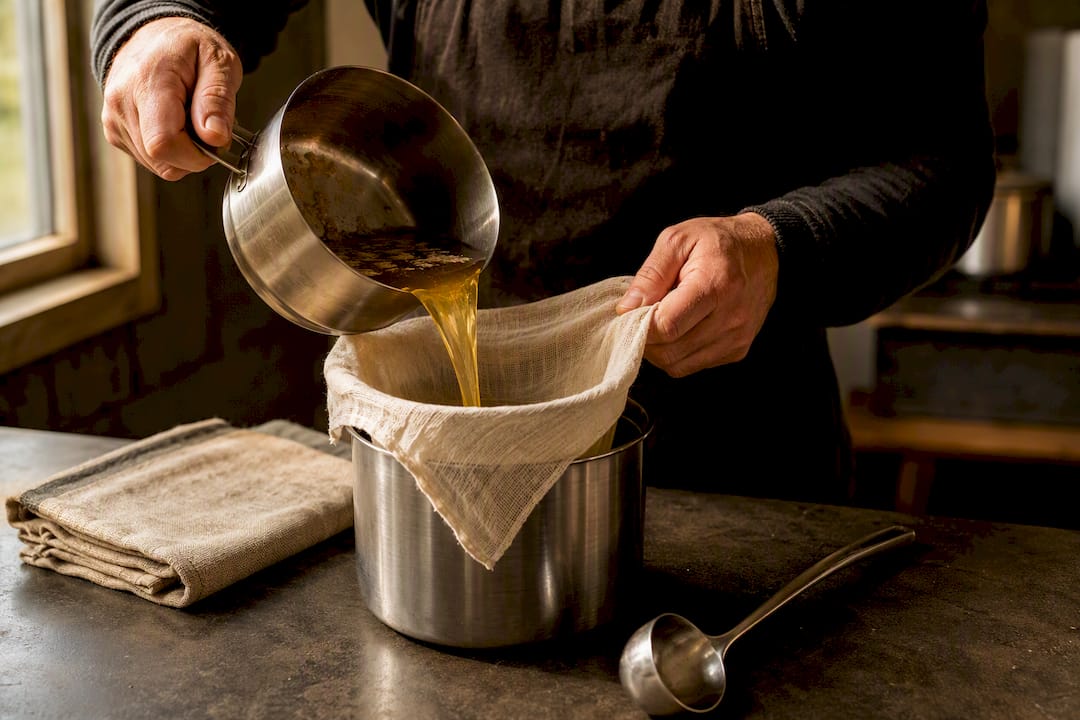
- Strain multiple times. Pour the melted fat through cheesecloth or a fine mesh strainer at least twice, letting it cool slightly between passes to catch fine particles the first strain misses.
- Consider a baking soda or charcoal pass. A brief wash with a mild baking soda solution, or filtering warm fat through activated charcoal, can pull out lingering odor compounds before the final set.
Pro Tip: Render in smaller batches. A large single batch that gets too hot in the middle is much harder to recover than a small one you can watch closely and re-strain if the smell seems off.
Each extra step trades convenience for a cleaner result. A home renderer doing one batch a month can afford three or four filtration passes; a small producer sourcing pounds of fat weekly usually needs professional equipment to hit consistent, food-safe hygiene standards without burning through hours of labor per batch.
Can You Deodorize or Mask Scent in a Finished Balm?
Once tallow is rendered, you still have options, but they’re narrower and carry more risk than fixing things during rendering.
- Activated charcoal filtration on the finished fat, done while it’s still warm, can pull out residual odor molecules missed during the first render.
- Cold micro-filtration through very fine cloth removes tiny particulates that cause faster spoilage and a stale smell over time.
- A second soda wash, done sparingly, can help but risks altering the fat’s texture if overdone.
- Blending with stable carrier oils like jojoba dilutes any remaining scent while adding its own light, nutty note that’s easy on sensitive noses.
- Adding antioxidants (vitamin E is a common choice) slows the oxidation that causes rancid smells to develop after the fact.
Essential oils can mask a faint scent, but they’re not a fix for rancidity, and they come with their own risk. Oxidized fragrance components like linalool and limonene are known sensitizers; one patch-test series found 7.0 percent of a dermatitis population reacted to oxidized linalool and 5.1 percent to oxidized limonene. Use them at low concentrations, store the finished balm away from heat and light, and skip fragrance altogether if you have reactive skin.
Pro Tip: If tallow smells sour, tangy, or like old cooking oil rather than “beefy,” that’s rancidity, not an odor problem you can mask. Discard it. No amount of charcoal or essential oil fixes fat that’s already broken down.
Does the Smell Stay on Your Skin, and Is Tallow Safe to Use?
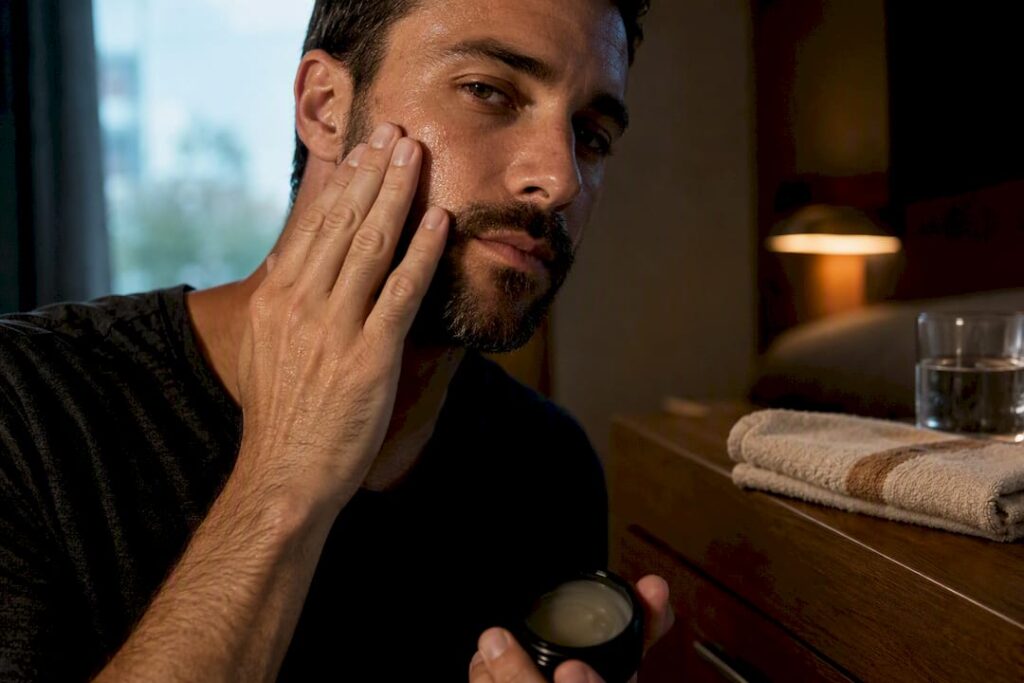
A well-made tallow balm’s scent typically fades within a few minutes of application as it warms and absorbs. If you still smell beef an hour later, either the batch has an underlying odor issue or the product was applied too heavily.
Before making tallow part of your routine, run a real patch test:
- Apply a small amount to your inner forearm and wait 24 to 48 hours.
- Watch for redness, itching, or new breakouts, not just smell.
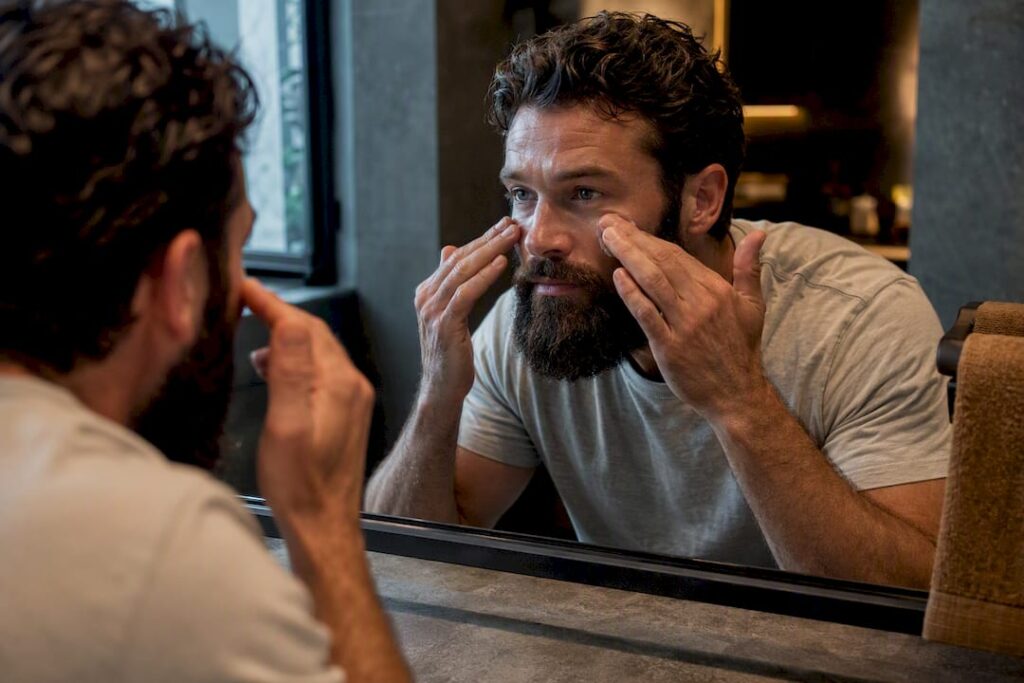
- If skin looks and feels normal, try a small amount on your face for a few more days before regular use.
Cleveland Clinic notes that heavy, occlusive fats like tallow can worsen conditions such as rosacea, and that added fragrances raise irritation risk independent of the base fat. MD Anderson adds that tallow can be comedogenic, meaning acne-prone skin should approach it cautiously or skip it in favor of lighter, non-comedogenic options. If you deal with eczema specifically, a closer look at tallow’s risks and safe use for eczema is worth reading before you commit. On the sourcing side, grass-fed tallow also tends to align better with reef-safe and lower-impact production practices than mass grain-fed sourcing, a detail worth weighing if sustainability factors into your purchase.
How Iron Bull Naturals Handles Sourcing and Odor
One producer sources grass-fed Alberta tallow and uses a formula limited to three core ingredients, which limits contamination and additive buildup that usually causes off-odors. Pairing hyaluronic acid with a stable carrier oil can change how a product feels and smells on skin, softening the fatty note most people associate with raw tallow. Some users report smoother texture and better hydration within weeks, though as with any occlusive fat, a patch test before regular use is still the right first move.
What I’d Actually Do About the Smell
If you’re weighing tallow for your own routine, skip the guesswork and run a short checklist: ask about the source (grass-fed versus grain-fed), do a hot-melt smell test, patch test for 48 hours, and store whatever you buy or make somewhere cool and dark.
Re-rendering at home makes sense if you enjoy the process and have time to filter a batch three or four times. If you’d rather not gamble a weekend on it, buy from a producer that’s transparent about sourcing and rendering. And if you have rosacea, eczema, or acne-prone skin, loop in a dermatologist before making tallow a daily habit. The literature is promising, not settled.
— Blaine
Try a Grass-Fed Tallow Balm Without the Guesswork
Iron Bull Naturals built its face moisturizer around grass-fed Alberta tallow and a three-ingredient formula specifically to avoid the contamination and rendering shortcuts that cause a beefy smell in cheaper products.

If you’ve read this far worried about odor, sourcing is the fastest way to skip the problem entirely rather than trying to mask it later. Start with a small amount, patch test for a couple of days the way you would with any new balm, and see how your skin responses before working it into a full routine. If you want the full sequence for applying it correctly, the simple three-step routine for men walks through morning and night use. Sensitive or reactive skin doesn’t respond the same way to every occlusive fat, so if heavy balms have caused breakouts for you before, a lighter moisturizer might suit you better, and an at-home esthetician consultation can help you figure out which direction fits your skin. Ready to test it yourself? Browse the shop and start with a single jar.
This article is general information, not a substitute for advice from a qualified doctor. Consult a qualified healthcare professional about your own circumstances before acting on anything here.
Sources
- Tallow, rendered animal fat, and its biocompatibility with skin: A scoping review – PMC
- Beef tallow as skin care? Experts explain what’s truth—and myth | National Geographic
- Is Beef Tallow Good for Your Skin? | Cleveland Clinic
- Beef tallow: dietitian and derm weigh in | UT MD Anderson
FAQ
Why does my tallow smell bad?
A bad smell usually means the fat included meat or connective tissue, was rendered at too high a heat, or went rancid from oxidation or poor storage rather than being an inherent trait of tallow.
What does rancid tallow smell like?
Rancid tallow smells sour, tangy, or like old cooking oil rather than simply “beefy,” and that smell signals the fat should be discarded, not deodorized.
Why don’t dermatologists like tallow?
Dermatologists aren’t against tallow outright, but sources like Cleveland Clinic and MD Anderson note limited human evidence, comedogenic risk for acne-prone skin, and irritation concerns with heavy occlusives and added fragrance.
Why did people stop using tallow in skincare?
Tallow largely fell out of mainstream use as lighter, plant-based, and synthetic moisturizers became cheaper and easier to mass produce, though it has seen a resurgence among people seeking minimal-ingredient products like grass-fed tallow balms.
Does grass-fed tallow smell different from grain-fed tallow?
Grass-fed tallow generally renders with a milder, cleaner scent than grain-fed tallow, since the animal’s diet affects the fatty acid composition and residual odor of the fat.