A balm is an anhydrous, oil-based product that forms a heavy seal over the skin, best for targeted or severe dryness. A cream is an oil-and-water emulsion that spreads easily and hydrates broader areas day to day. If you’re treating cracked knuckles or windburned cheeks, reach for a balm; for everyday face or body moisture, a cream applied to damp skin usually wins.
TL;DR:
- Apply moisturizer within a few minutes of bathing while skin remains damp; layer humectants first, then cream, adding balm only where extra sealing is needed.
- Oily skin generally suits lightweight creams, while people with sensitive skin may prefer simpler balms that contain fewer potential triggers.
- Warm balm between your palms and press it onto cracked knuckles, heels, or windburned cheeks; rubbing can drag delicate or damaged skin.
- Creams need preservatives because they contain water, and certain preservatives can trigger contact dermatitis; patch test new products on your inner forearm for a few days.
Table of Contents
- Composition and formulation differences
- Texture, absorption, and finish
- When to choose balm vs cream by skin type, age, and season
- How to apply balms and creams for the best results
- Ingredients to look for and ingredients to avoid
- Where a tallow balm fits in a men’s routine
- Shelf life and storage considerations
- Environmental impact and sustainability aspects
- The practical takeaway
- A simple next step if you need targeted repair
- FAQ
- Sources
Composition and formulation differences
The difference comes down to water. Creams are oil-in-water emulsions that blend water with oils and emulsifiers, which is why they absorb faster and feel lighter. Balms skip the water entirely. They’re anhydrous, built almost entirely from fats and waxes, which makes them more occlusive and better suited to sealing in moisture rather than delivering it.
Three ingredient categories do most of the work in either format:
- Occlusives like petrolatum, beeswax, or tallow physically block water loss from the skin’s surface.
- Emollients, including fatty esters and plant oils, smooth the skin’s texture and fill in gaps between skin cells.
- Humectants such as glycerin and hyaluronic acid pull water into the outer skin layer, but they need something to work with.
That last point matters for layering. A humectant without enough moisture nearby can actually pull water out of deeper skin layers, so it works best applied to damp skin and followed by an emollient or occlusive that locks the water in.
Texture, absorption, and finish
Oil content and emulsifiers decide how a product behaves on your skin. Creams contain water, so they spread thin and sink in within a minute or two. Balms are concentrated fat, so they sit heavier and take longer to feel absorbed, even though they’re doing more sealing work per application.
That heaviness isn’t a flaw, but it does call for technique. Balms perform better when you warm them between your palms first, which softens the fats and helps them glide rather than drag.
Pro Tip: Press a balm into your skin instead of rubbing it in. Pressing helps the fats melt into the surface without pulling on delicate areas like under-eyes or cracked knuckles.
For areas people see up close, like the face, a cream often layers better under makeup because it doesn’t leave a visible sheen. Balms make more sense on hands, feet, elbows, or any patch that needs a thicker, longer-lasting barrier rather than a quick, invisible finish.
- Creams: faster sink-in, better under makeup, suited to visible areas.
- Balms: slower absorption, stronger seal, suited to rough or cracked patches.
When to choose balm vs cream by skin type, age, and season
Matching the product to your actual skin situation beats guessing from the label. Dermatology guidance from the American Academy of Dermatology points to choosing moisturizer type by skin type and age, since needs shift as skin changes.
- Oily or combination skin generally does better with a lightweight cream, since a heavy balm can feel greasy and may clog pores on already oil-prone areas.
- Dry or mature skin often benefits from a thicker cream daily, with a balm reserved for flare-ups, since aging skin tends to lose both oil and water content over time.
- Localized severe dryness, like cracked heels, windburned cheeks, or post-sun irritation, calls for a balm’s stronger occlusive seal rather than a cream’s lighter hydration.
- Eczema-prone or very sensitive skin often responds well to the simplicity of an anhydrous balm, since fewer ingredients can mean fewer triggers.
Season shifts the math too. Cold, dry air pulls more moisture from skin, so many people move toward creams or balms with heavier occlusion in winter and lighten up to gel-creams or lotions in summer humidity. If you’re applying once daily and still flaking, that’s usually a sign to increase frequency or switch to a more occlusive formula rather than layering on more of the same product.
How to apply balms and creams for the best results
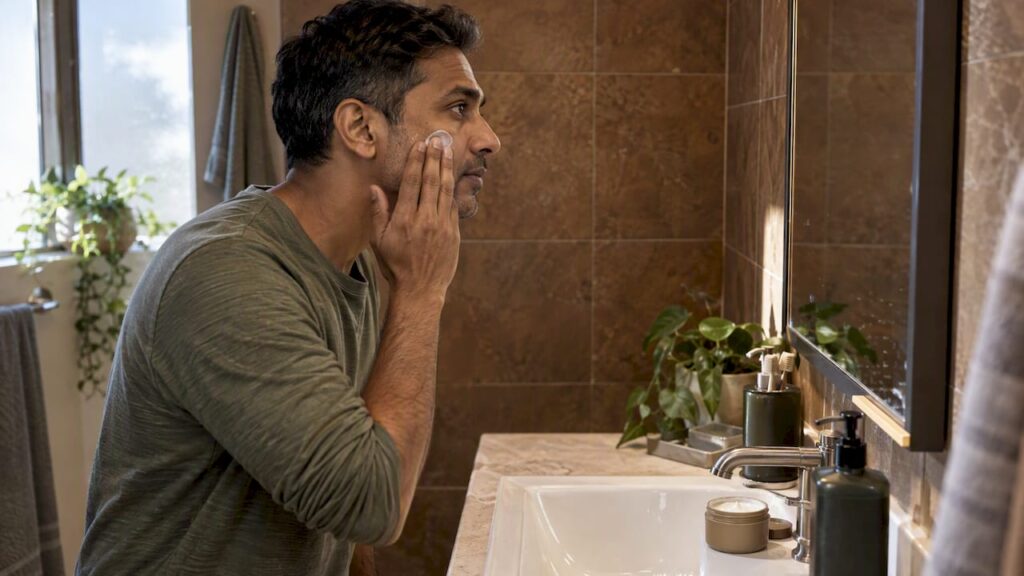
Technique changes outcomes as much as the product itself. Applying moisturizer to damp skin within a few minutes of bathing, often called the 3-minute rule, traps residual surface water and increases hydration in the outer skin layer compared with applying to fully dry skin.
- Pat skin dry, leaving it slightly damp, rather than toweling off completely.
- Apply a humectant or hydrating serum first, giving it a moment to draw in that surface water.
- Follow with a cream for general hydration, then finish with a thin layer of balm if the area needs extra sealing.
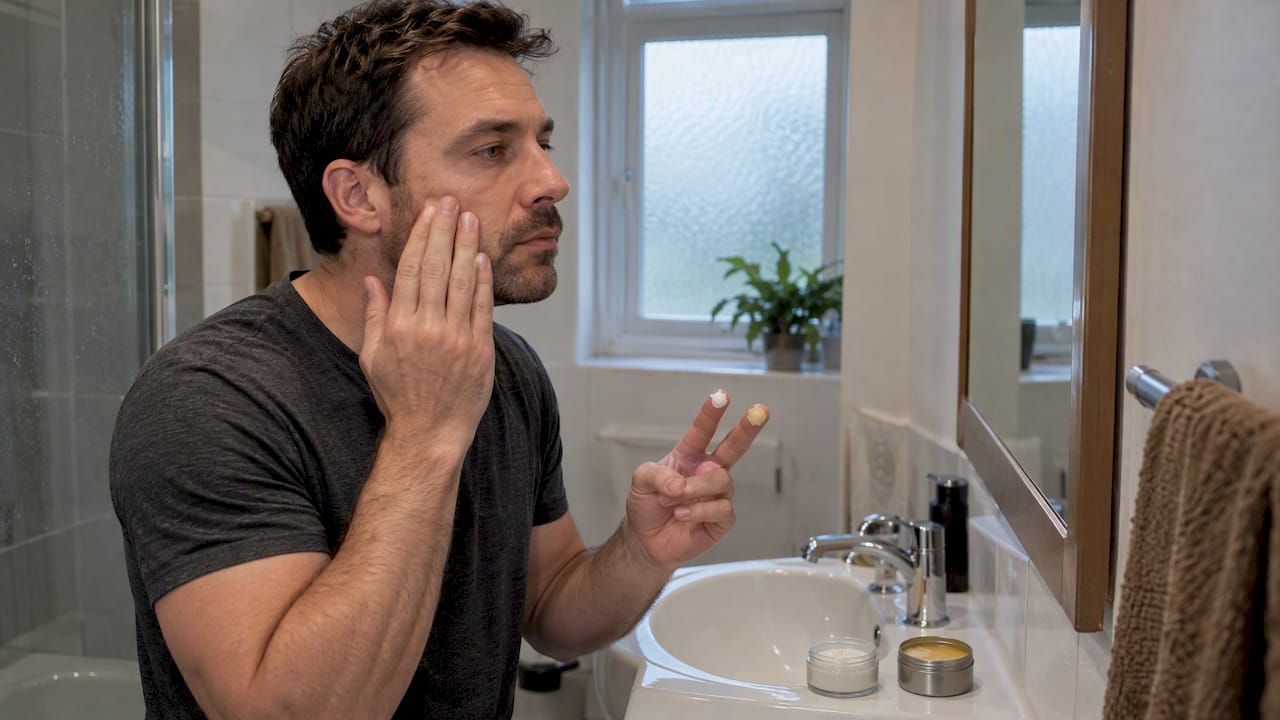
- Warm balm between your palms and press it in, rather than rubbing, to avoid dragging the skin.
Clinically, occlusive ingredients reduce transepidermal water loss by forming a barrier over the skin’s surface, which is why layering humectants before occlusives maximizes hydration instead of just sealing in whatever moisture was already there.
Ingredients to look for and ingredients to avoid
Reading labels matters more than brand names. Look for humectants like glycerin and hyaluronic acid, ceramides that support the skin barrier directly, and occlusives like petrolatum, dimethicone, or tallow that seal moisture in without heavy chemical processing.
Creams carry a tradeoff balms avoid. Because creams contain water, they require preservatives to prevent microbial growth, and those preservatives occasionally trigger allergic contact dermatitis in sensitized skin. Anhydrous balms skip that risk since there’s no water for bacteria to grow in.
- Look for: glycerin, hyaluronic acid, ceramides, petrolatum, dimethicone, tallow.
- Be cautious with: synthetic fragrance, certain preservatives (especially in sensitive or eczema-prone skin).
- Patch-test any new product on your inner forearm for a few days before applying it to your face.
- Acne-prone skin should favor lighter creams over heavy balms, which can sit on the skin longer and contribute to clogged pores in breakout-prone areas.
Where a tallow balm fits in a men’s routine
A grass-fed tallow balm works as an occlusive final step, typically infused with hyaluronic acid so it seals in hydration rather than just coating the skin. That combination suits a few specific situations:
- Very dry patches on the jawline, cheeks, or hands that a daily cream isn’t fully resolving.
- Post-sun skin that needs repair without added fragrance or heavy preservative loads.
- Nighttime use, when a thin seal supports overnight barrier repair rather than contributing to daytime shine.
Formulated around a short list of ingredients, grass-fed tallow, hyaluronic acid, and jojoba oil, this kind of balm targets dryness without the synthetic preservative load that water-based creams require.
Shelf life and storage considerations
Water content drives most of the difference in how long each product lasts. Creams, because they contain water, need preservatives to stay safe, and even with preservatives, an opened jar typically has a shorter practical shelf life once air and bacteria start interacting with it regularly. Keeping creams in a cool, dry spot away from direct sunlight and closing the lid tightly after each use helps slow that degradation.
Anhydrous balms behave differently. Without water, there’s less opportunity for microbial growth, which generally gives balms a longer shelf life once opened, provided they’re kept away from heat and moisture. A balm left in a hot car or a steamy bathroom cabinet can still oxidize over time, especially if it contains natural oils, so a cool, dark storage spot extends usable life either way.
A few practical habits apply to both:
- Check for changes in smell, color, or texture before use, since those are the clearest signs a product has turned.
- Scoop cream with a clean spatula rather than fingers to limit contamination.
- Store balms in their original container rather than transferring them, since repeated air exposure speeds oxidation.
Neither format lasts indefinitely, but the anhydrous nature of a balm generally gives it an edge in longevity, which is part of why some people prefer keeping a balm on hand for occasional, targeted use rather than a cream that needs to be used up faster.
Environmental impact and sustainability aspects
Packaging and sourcing matter as much as formulation when it comes to environmental footprint. Creams typically ship in heavier, water-weighted containers, which adds to transport emissions and often means more plastic per ounce of active ingredient delivered. Balms, being concentrated and water-free, tend to ship in smaller containers like tins or small jars, reducing both material use and shipping weight.
Ingredient sourcing adds another layer. A balm built on a short ingredient list, like grass-fed tallow, a single oil, and hyaluronic acid, generally has a simpler supply chain than a cream formulated with a dozen or more ingredients, including synthetic emulsifiers and preservatives sourced from multiple suppliers. Fewer ingredients can mean fewer points where sourcing, processing, or packaging adds environmental cost, though this varies by brand and manufacturing practice.
Tallow itself comes from a byproduct of beef production, which some view as a way to use more of the animal rather than discarding fat as waste. That’s a different sustainability argument than, say, a plant-based oil grown specifically for skincare, and neither approach is universally better. What matters most for your own footprint is choosing products with minimal, recognizable ingredients and packaging you’ll actually recycle or reuse, regardless of whether you land on a balm or a cream.

The practical takeaway
Pick based on the job: creams for daily, broad hydration, balms for sealing in severe or localized dryness. Apply to damp skin, layer humectant before occlusive, and patch-test anything new before committing your whole routine to it.
— Blaine
A simple next step if you need targeted repair
If you’ve read this far because a cream isn’t cutting it on rough patches, cracked knuckles, or windburned cheeks, that’s exactly the gap a concentrated balm is built to fill. We make Iron Bull Tallow, a face balm built on grass-fed Alberta tallow and hyaluronic acid, with only three ingredients total so there’s less in the formula that could irritate sensitive skin.

- Works as the sealing step after your regular cream, not a replacement for daily hydration.
- Some products may offer money-back guarantees if they do not work for your skin.
Browse the full lineup, including our Sun Balm, or check out a simple three-step routine that shows you exactly where a balm like this fits.
FAQ
What is the difference between a balm and an ointment?
Balms and ointments are both largely anhydrous and occlusive, but the term “balm” is often used for cosmetic products while “ointment” is a more clinical term used in dermatology and pharmacy contexts. Functionally, they work the same way: sealing moisture in rather than adding water to the skin.
What is the 3-minute moisturizer rule?
The 3-minute rule means applying your moisturizer within a few minutes of bathing or washing, while skin is still damp. This traps residual surface water in the outer skin layer, increasing hydration more than applying the same product to fully dry skin.
What are the key differences between lip balm and lip moisturizer?
Lip balm is typically anhydrous and wax-based, built to coat and protect the thin skin of the lips from moisture loss. A lip moisturizer or treatment may include humectants like glycerin alongside oils, aiming to hydrate as well as seal, similar to how a cream differs from a balm elsewhere on the body.
What does balm do for skin?
A balm forms an occlusive layer over the skin’s surface that slows water loss, which helps severely dry, cracked, or irritated areas retain moisture and recover. It doesn’t add water the way a cream does, so it works best layered over a humectant or on skin that’s already slightly damp.
Sources
- Moisturisers and emollients — PMC
- How to pick the right moisturizer for your skin — AAD
- Emollients and moisturisers — DermNet NZ